Exterior Systems Updated in One Project
Siding Replacement in Roanoke for properties undergoing roof installation or roof replacement work
Updating siding and roofing systems during a single project eliminates the inefficiencies of separate contractor schedules, multiple equipment mobilizations, and mismatched staging timelines that complicate exterior renovations. Siding replacement is available from 220 Roofing & Restoration exclusively alongside roof installation or roof replacement projects, which allows both systems to be installed with coordinated flashing details, integrated trim work, and consistent weatherproofing standards. When scaffolding and safety equipment are already in place for roofing work, adding siding replacement to the scope improves project efficiency and ensures that the building envelope is sealed properly where the roof edge meets the siding surface.
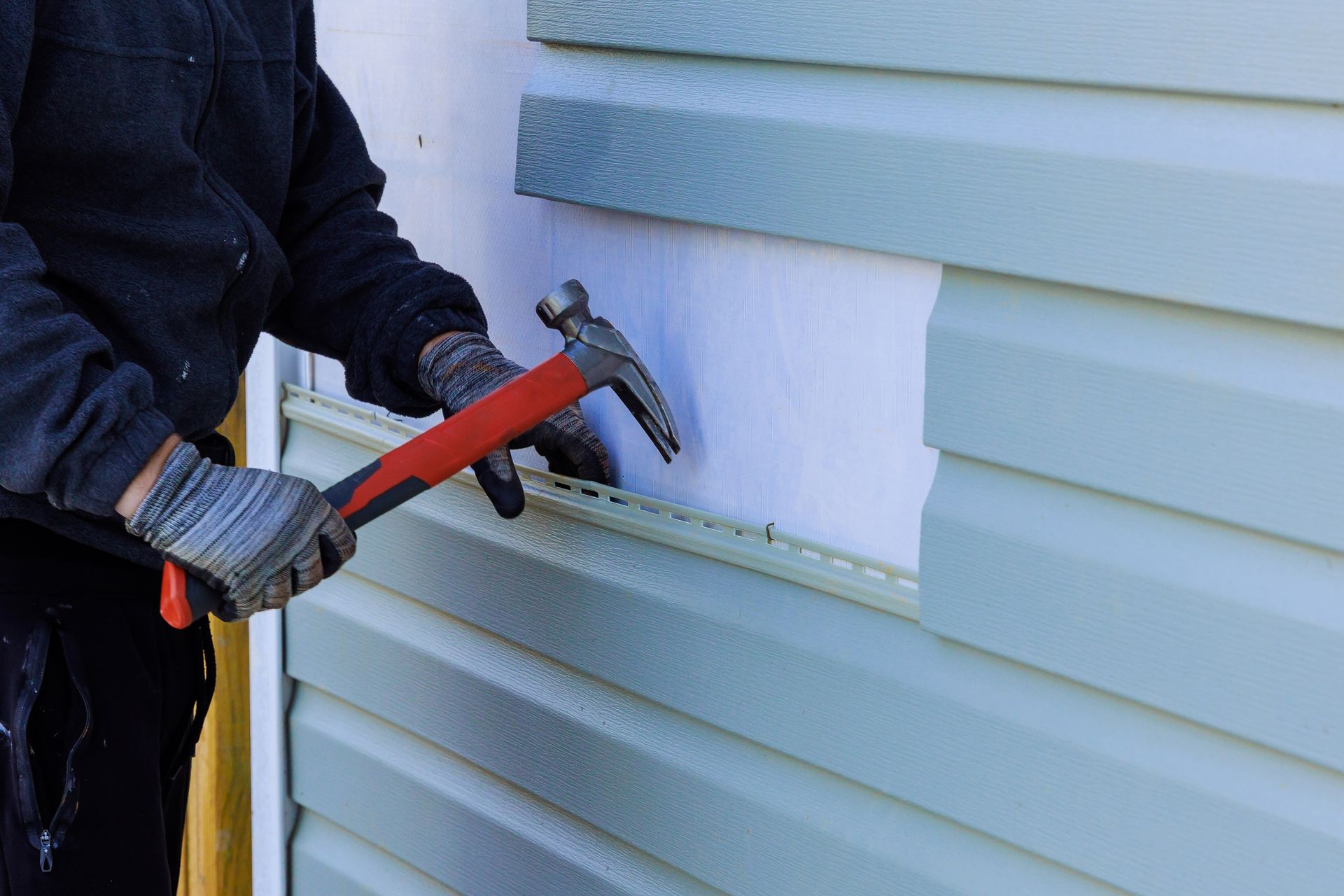
Siding replacement involves removing deteriorated or damaged panels, inspecting and repairing sheathing or moisture barriers underneath, then installing new siding materials that interlock or overlap to create a weatherproof exterior surface. Fiber cement, vinyl, and engineered wood siding options are selected based on durability requirements, maintenance preferences, and architectural style, and each material is installed using fastener patterns and expansion gaps appropriate for the temperature swings experienced in Roanoke throughout the year.
Explore siding upgrades during your roofing consultation to coordinate exterior improvements and complete multiple renovations within a single project timeline.
What Proper Siding Replacement Requires
Siding replacement requires removing old materials without damaging the underlying sheathing, then verifying that moisture barriers and flashing details are intact before new panels are installed. Gaps around windows, doors, and utility penetrations must be sealed with appropriate caulking or foam to prevent air infiltration and water intrusion, and J-channels or trim pieces are fitted precisely so that siding panels lock into place without leaving exposed edges or unsealed joints. Proper installation accounts for thermal expansion by leaving small gaps at panel ends and avoiding over-driven fasteners that restrict movement as temperatures change between seasons.
After siding replacement, the exterior appears uniform in color and texture without the fading, cracking, or warping that develops in aged siding exposed to years of sun and moisture. You'll notice improved insulation performance because gaps and voids behind the old siding are sealed during installation, and indoor temperature stability increases as drafts around windows and along wall sections are eliminated. The new siding surface resists moisture absorption, which prevents the rot, mold growth, and paint failure common in wood siding that wasn't maintained consistently over time.
Coordinated roofing and siding projects improve curb appeal by creating a consistent, updated exterior appearance, and completing both upgrades simultaneously increases property value more effectively than staged renovations spread across multiple years. Fiber cement siding provides impact resistance and fire protection, vinyl siding eliminates the need for repainting, and engineered wood siding offers natural wood aesthetics with improved moisture resistance compared to traditional lumber products.
Questions Before Starting Your Project
Homeowners planning exterior renovations ask detailed questions about coordinating siding and roofing work, material selection, and long-term performance.
Why is siding replacement only available during roof installation projects?
Siding replacement is coordinated with roofing work because both systems share critical flashing and trim details where the roof edge meets the wall surface, and completing both installations simultaneously ensures proper integration and eliminates the risk of water intrusion at these junctions.
What siding materials perform best in Roanoke's climate?
Fiber cement siding resists moisture absorption and temperature swings without warping, vinyl siding withstands UV exposure and requires no painting, and engineered wood siding provides natural aesthetics with better dimensional stability than traditional wood products exposed to seasonal humidity changes.
How does siding replacement improve insulation performance?
Siding replacement allows inspection and repair of underlying moisture barriers and insulation layers, and properly installed siding eliminates gaps and voids that allowed air infiltration in older installations, which reduces drafts and improves heating and cooling efficiency throughout the year.
What happens to trim and window surrounds during siding replacement?
Trim boards, corner posts, and window surrounds are replaced or updated during siding installation to ensure proper fit and weatherproof sealing, and these components are integrated with the new siding system using flashing and caulking details that prevent water intrusion at joints and transitions.
When is the best time to schedule combined roofing and siding projects?
Combined projects are typically scheduled during spring or fall when moderate temperatures allow proper curing of sealants and adhesives used in both roofing and siding installations, though work can proceed year-round as long as weather conditions allow materials to be installed according to manufacturer specifications.
220 Roofing & Restoration provides material samples and color options during consultations so you can evaluate siding styles that complement your updated roofing system. Schedule a property assessment to review exterior condition and discuss coordinated roofing and siding upgrades suited to your renovation goals.