Inspections That Identify Hidden Structural Damage
Storm Damage Repair in Roanoke for roofs impacted by wind, hail, fallen branches, and severe weather
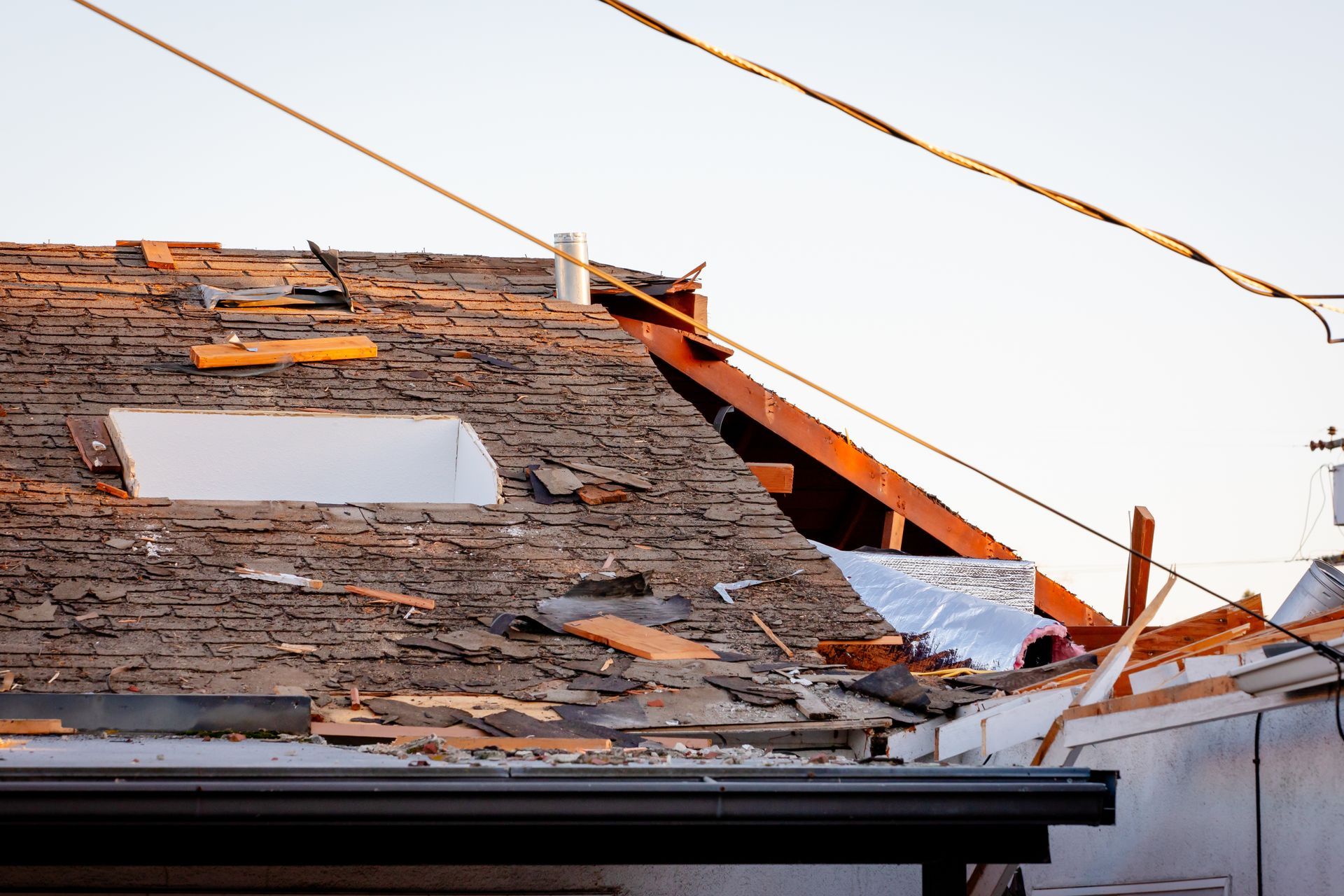
Severe storms moving through Roanoke bring wind gusts that lift shingles, hail that fractures roofing materials, and falling limbs that puncture decking and compromise weatherproof barriers. After these events, visible damage like missing shingles or dented flashing is often accompanied by hidden issues such as cracked underlayment, separated seams, or fractured decking that won't reveal itself until leaks develop weeks later. 220 Roofing & Restoration conducts detailed post-storm inspections that document both surface-level and structural damage, providing the photographic evidence and written assessments needed for insurance claims while identifying every repair required to restore full protection.
Storm damage repair involves removing compromised materials, replacing damaged decking sections, installing new underlayment over affected areas, and integrating replacement shingles or panels so repairs blend with the existing roof system. When hail impact has fractured the protective granules on asphalt shingles across large sections, partial repairs may not be sufficient, and full replacement becomes necessary to prevent accelerated aging and future leaks. Wind damage often affects roof edges, valleys, and ridges where uplift forces are strongest, requiring fastener reinforcement and sealant application even where materials remain in place.
Schedule a storm damage inspection to identify structural concerns and document visible damage before additional weather exposure worsens the condition.
Why Storm Damage Happens and How to Stop It
Storm damage occurs when wind speeds exceed the holding capacity of roofing fasteners, when hail strikes with enough force to fracture brittle materials, or when the weight of fallen debris exceeds the load-bearing capacity of the roof deck. Older roofing systems with hand-sealed shingles or corroded fasteners are more vulnerable to wind uplift than newer installations with high-wind rated materials and proper fastener spacing. Hail damage severity depends on stone size, impact velocity, and the age of the roofing material—older shingles that have lost flexibility are more likely to crack under impact than recently installed systems with pliable asphalt layers.
After repairs are completed, the roof regains its ability to shed water without leaking, and replaced materials restore the wind resistance and impact protection that deteriorated sections no longer provided. You'll notice that water stains on ceilings stop expanding, interior humidity levels stabilize, and the roof no longer shows visible gaps or exposed underlayment when viewed from the ground. Replaced decking sections provide solid fastener support, and new flashing around chimneys and vents creates watertight seals that prevent the slow leaks often missed during initial damage assessments.
Storm damage repair services throughout Southwest Virginia communities include emergency tarping to prevent additional water intrusion while permanent repairs are scheduled, and inspections are prioritized during the days immediately following severe weather events when demand for roofing services increases rapidly. Insurance documentation includes detailed measurements, material counts, and time-stamped photographs that support claims for wind and hail damage covered under most homeowner policies.
Answers to Frequent Service Questions
Property owners facing storm damage ask specific questions about inspection processes, repair timelines, and insurance coordination before scheduling services.
How quickly should storm damage be inspected after severe weather?
Inspections should occur within days of a storm to document damage before additional rain or wind exposure worsens the condition, and early inspections allow repairs to be scheduled before roofing contractors become fully booked during high-demand periods following widespread storm events.
What does a storm damage inspection include?
Inspections involve examining the entire roof surface for missing materials, impact fractures, lifted shingles, damaged flashing, and compromised underlayment, along with checking attic spaces for water intrusion and structural damage caused by fallen debris or wind uplift.
How does storm damage documentation support insurance claims in Roanoke?
Detailed inspection reports with measurements, photographs, and written descriptions of wind or hail damage provide the evidence insurance adjusters require to approve claims, and documentation separates recent storm damage from pre-existing wear that may not be covered under the policy.
What happens if only part of the roof was damaged during the storm?
Partial repairs are completed using materials that match the existing roof system in color and profile, though significant hail damage across large sections may require full replacement when isolated repairs would leave the roof with mismatched aging patterns and inconsistent performance.
When should emergency tarping be requested after storm damage?
Emergency tarping is necessary when storms create openings in the roof that expose the interior to rain before permanent repairs can be scheduled, and tarps are secured with fasteners and battens designed to withstand additional wind exposure until replacement materials arrive.
220 Roofing & Restoration coordinates directly with insurance adjusters when storm damage claims are filed, providing the documentation and material estimates needed to expedite approval. Arrange a post-storm inspection to assess visible damage and identify repairs required to restore weatherproof protection.